
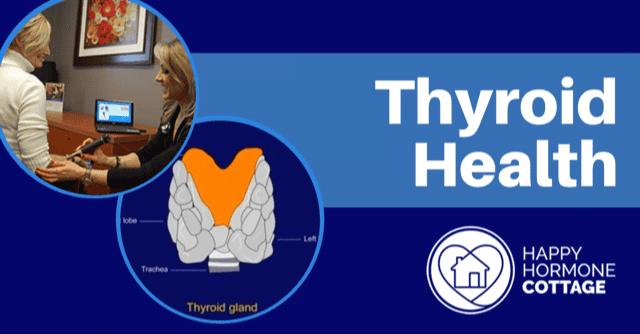
The thyroid gland produces hormones that regulate the body’s metabolic rate influencing heart, muscle, and digestive function, as well as brain development and bone health. The signal to produce and release these hormones comes from the pituitary gland, a small gland located at the base of our brain. Normally, the thyroid produces the appropriate amount of hormones needed to keep your body’s metabolism running and in balance.
However, several disorders affect the thyroid gland, most commonly involving the production of thyroid hormones. Either the thyroid produces too much hormone (hyperthyroidism) or it doesn’t produce enough hormone (hypothyroidism), resulting in your body using energy faster or slower than it should.
According to the Endocrine Society, approximately 200 million people worldwide have some form of thyroid disease. While it can affect people of all ages and backgrounds, women are 5 to 8 times more likely than men to develop thyroid disorders.
Women often turn to the Happy Hormone Cottage to check and balance their hormones. Many times their focus has been solely on balancing estrogen, progesterone, and testosterone, but the HHC approach goes a step further. We help women understand that comprehensive hormone health is more than just sex hormones—insulin, cortisol, and thyroid hormones also hugely impact metabolism, energy, and stress. This is especially important considering that 1 in 8 women will develop thyroid issues in their lives.
It can be frustrating to have your thyroid blood test come back “normal” even when symptoms persist. Worse than that, women are often diagnosed with low thyroid or hypothyroidism but receive inadequate treatment. Relying on standard lab tests to determine dose can leave symptoms unresolved, even when taking thyroid medication.
There are many problems with current thyroid blood testing. While standard blood tests may help identify thyroid issues in some people, they often miss or misidentify critical information. In fact, studies show that about 50% of thyroid cases are misdiagnosed, while up to 43% of Americans never receive a diagnosis at all.
“Normal” ranges can vary from lab to lab, resulting in inconsistent results. These ranges are also based on values from a sick population, not values from individuals with optimized health.
Additionally, while standard testing measures the level of thyroid hormone circulating in the blood (TSH and T4), this doesn’t reflect how it actually works in cells and tissues. Thyroid hormones regulate metabolism by influencing cellular activity, which regulates metabolism, energy, and heart function. When thyroid levels are too low or not being used effectively, cellular activity slows, causing fatigue, weight changes, and more.
Standard testing does not take thyroid antibodies into account, which indicates autoimmune disease, which can be active even before TSH or T4 abnormalities show up. It also doesn’t take mild thyroid issues into account, which may show as falling into the normal range.
The bottom line is, a typical thyroid blood test may be a starting point, but it is not enough to fully evaluate thyroid health. This is a big reason why patients can still show symptoms, even when results are “normal” or they are on thyroid medication.
To address this issue, the Happy Hormone Cottage offers comprehensive thyroid function testing. Once we check existing thyroid blood levels with our unique 10-point panel. Click here to learn more about thyroid health.
To learn more, we now also offer no-cost, group telehealth initial consultation appointments with Zoom video conferencing or 1:1 phone appointments with our experienced patient consultant for a small fee.
Schedule a Zoom video conference or a phone conference appointment by calling our office at (513) 444-6343 or reach out online.